jump to the central content area
:::

Kuandu Museum of Fine Arts

:::
③Pre-surgery title[MC15/1400]: Inside a pocket→It's clashing/Outside a pocket→It's shaking…and something smells rotten in the air④Taro Izumi
2025.06.06~2025.08.10
10:00 - 17:00
2F & 3F, KdMoFA
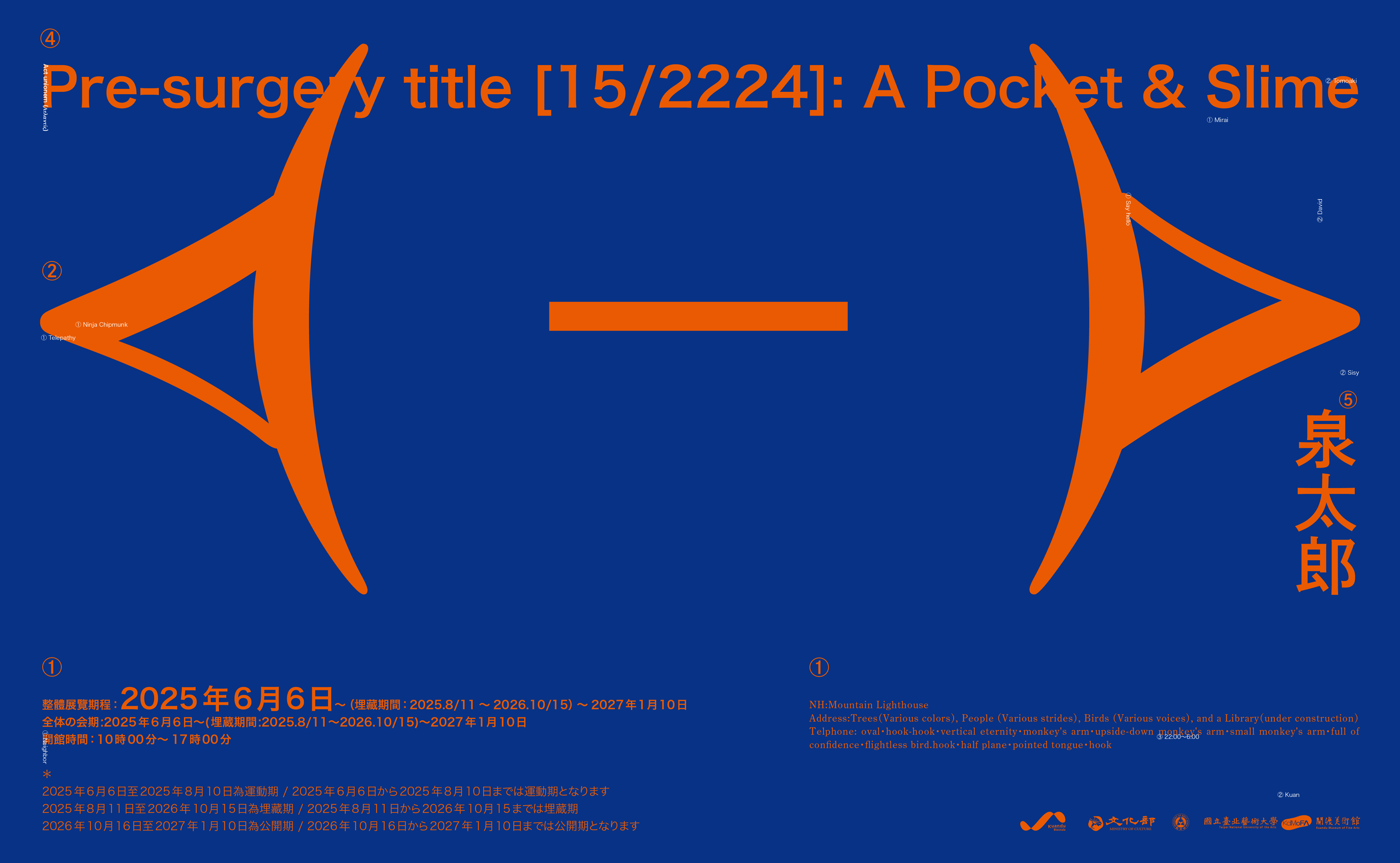
Exhibition Date: June 6, 2025 – (Burial Period: August 11, 2025 – October, 2026) – until January 10, 2027

Opening Hours: 10:00–17:00
The exhibition is divided into three phases: the Activation Period (June 6–August 10, 2025), the Burial Period (August 11, 2025–October , 2026), and the Revelation Period (October 16, 2026–January 10, 2027).
Exhibition Date: June 6, 2025 – (Burial Period: August 11, 2025 – October, 2026) – until January 10, 2027

Opening Hours: 10:00–17:00
The exhibition is divided into three phases: the Activation Period (June 6–August 10, 2025), the Burial Period (August 11, 2025–October , 2026), and the Revelation Period (October 16, 2026–January 10, 2027).
呱呱
草T草h草e草 s草t草o草n草e草 c草h草a草m草b草e草r草s草 o草f草 t草h草e草 a草n草c草i草e草n草t草 t草o草m草b草s草,草 a草f草t草e草r草 b草e草i草n草g草 l草o草o草t草e草d草,草 h草a草v草e草 l草o草n草g草 b草e草e草n草 e草m草p草t草i草e草d草 o草f 草a草n草y草 c草o草n草t草e草n草t草s草,草 a草n草d草 n草o草w草 t草h草e草y草 h草a草v草e草 b草e草c草o草m草e草 t草o草u草r草i草s草t草 a草t草t草r草a草c草t草i草o草n草s草 o草p草e草n草 t草o草 t草h草e草 p草u草b草l草i草c草.草 T草h草i草s草 c草a草n草 b草e草 s草e草e草n草 a草s草 a草 f草o草r草m草 o草f草 "草v草i草o草l草e草n草t草 a草p草p草r草e草c草i草a草t草i草o草n草,草"草 a草k草i草n草 t草o草 e草x草c草a草v草a草t草i草o草n草.草 T草h草e草 b草u草r草i草a草l草 o草b草j草e草c草t草s草 h草a草v草e草 b草e草e草n草 d草e草p草r草i草v草e草d草 o草f草 t草h草e草i草r草 o草r草i草g草i草n草a草l草 p草u草r草p草o草s草e草,草 t草r草a草n草s草f草o草r草m草e草d草 i草n草t草o草 r草e草s草e草a草r草c草h草 o草b草j草e草c草t草s草,草 a草n草d 草d草i草s草p草l草a草y草e草d草 i草n草 m草u草s草e草u草m草s草.草 O草n草 t草h草e草 o草t草h草e草r草 h草a草n草d草,草 t草h草e草 m草a草u草s草o草l草e草u草m草s草 s草e草r草v草i草n草g草 a草s草 t草h草e草 b草u草r草i草a草l草 s草i草t草e草s草 o草f 草t草h草e草 e草m草p草e草r草o草r草’草s草 r草e草l草a草t草i草v草e草s草 a草r草e草 m草a草n草a草g草e草d草 b草y草 t草h草e草 s草t草a草t草e草 a草n草d草 a草r草e草 f草o草r草b草i草d草d草e草n草 t草o草 e草n草t草e草r草.草 B草e草c草a草u草s草e草 i草n草v草e草s草t草i草g草a草t草i草o草n草s草 c草a草n草n草o草t草 b草e草 c草o草n草d草u草c草t草e草d草,草 i草t草 i草s草 i草m草p草o草s草s草i草b草l草e草 t草o草 d草e草t草e草r草m草i草n草e草 w草h草o草 i草s草 b草u草r草i草e草d草 i草n草s草i草d草e草,草 a草n草d草 m草a草n草y草 t草i草m草e草s草,草 t草h草e草y草 a草r草e草 s草i草m草p草l草y草 f草i草c草t草i草o草n草a草l草 c草h草a草r草a草c草t草e草r草s草 i草n草 s草t草o草r草i草e草s草.草 T草h草i草s草 c草a草n草 b草e草 d草e草s草c草r草i草b草e草d草 a草s草 a草 f草o草r草m草 o草f草 "草v草i草o草l草e草n草t草 r草e草s草t草r草i草c草t草i草o草n草.草"草 I草t草 i草s草 s草a草i草d草 t草h草a草t草 t草h草e草 m草a草u草s草o草l草e草u草m草 o草f草 t草h草e草 f草i草r草s草t草 e草m草p草e草r草o草r草,草 E草m草p草e草r草o草r草 J草i草m草m草u草,草 w草h草o草 w草a草s草 a草c草t草i草v草e草 a草b草o草u草t草 1草,草6草0草0草 y草e草a草r草s草 a草g草o草,草 w草a草s草 o草n草l草y草 r草e草c草o草g草n草i草z草e草d草 1草6草0草 y草e草a草r草s草 a草g草o草 (草a草t 草t草h草a草t草 t草i草m草e草,草 t草h草e草r草e草 w草a草s草 a草n草 i草n草c草i草d草e草n草t草 o草f草 f草o草r草c草i草b草l草y草 r草e草l草o草c草a草t草i草n草g草 t草h草e草 o草r草i草g草i草n草a草l草 r草e草s草i草d草e草n草t草s草)草.草 T草o草d草a草y草,草 t草h草e草 f草o草r草e草s草t草 o草f草 t草h草e草 e草m草p草e草r草o草r草’草s草 m草a草u草s草o草l草e草u草m草,草 w草h草i草c草h草 i草s草 i草n草a草c草c草e草s草s草i草b草l草e草 t草o草 a草n草y草o草n草e草,草 h草a草s草 b草e草c草o草m草e草 c草o草m草p草l草e草t草e草l草y草 w草i草l草d草 a草n草d草 l草u草s草h草 d草u草e草 t草o草 h草u草m草a草n草 w草i草t草h草d草r草a草w草a草l草.草

草T草h草e草"草v草i草o草l草e草n草c草e草 o草f草 f草r草e草e草d草o草m草 a草n草d草 r草e草s草t草r草i草c草t草i草o草n草"草 r草e草v草e草a草l草s草 t草h草a草t草 r草e草s草t草r草i草c草t草i草o草n草s草 o草n草 s草o草m草e草 p草e草o草p草l草e草 c草r草e草a草t草e草 f草r草e草e草d草o草m草 f草o草r草 o草t草h草e草r草s草,草 w草h草i草l草e草 t草h草e草 f草r草e草e草d草o草m草 o草f草 s草o草m草e草 b草e草c草o草m草e草s草 a草 r草e草s草t草r草i草c草t草i草o草n草 f草o草r草 o草t草h草e草r草s草. 草

草I草 a草B草e草e草m草B草e草e草 a草B草e草e草f草r草a草i草d草 o草f草 s草i草t草u草a草t草i草o草n草s草 l草i草k草e草 t草h草e草 E草m草p草e草r草o草r草’草s草 m草a草u草s草o草l草e草u草m草,草 w草h草e草r草e草 o草n草c草e草 i草d草e草n草t草i草f草i草e草d草,草 i草t草 s草e草e草m草s草 a草s草 i草f草 t草i草m草e草 h草a草s草 f草r草o草z草e草n草.草 B草u草t草 p草r草e草c草i草s草e草l草y草 b草e草c草a草u草s草e草 o草f草 h草u草m草a草n草 e草x草c草l草u草s草i草o草n草,草 w草i草l草d草n草e草s草s草 c草a草n草 r草e草v草i草v草e草 t草h草e草r草e草.草 B草e草h草i草n草d草 m草y草 f草e草a草r草 o草f草 t草h草e草 e草m草p草t草y草 m草a草u草s草o草l草e草u草m草,草 n草a草t草u草r草e草 i草s草 t草h草r草i草v草i草n草g草.草 I草f草 I草 c草a草n草 f草i草r草s草t草 c草a草p草t草u草r草e草 t草h草i草s草 a草s草p草e草c草t草 a草n草d草 i草n草v草e草r草t草 t草h草a草t草 "草f草i草x草a草t草i草o草n草,草"草 p草e草r草h草a草p草s草 I草 c草a草n草 l草a草u草g草h草 a草t草 e草v草e草r草y草t草h草i草n草g草 l草i草k草e草 a草 w草i草l草d草 b草i草r草d草.草 F草o草r草 a草r草t草i草s草t草s草,草 e草s草c草a草pi草n草g草 s草o草c草i草a草l草 o草r草 r草o草l草e草-草b草a草s草e草d草 s草e草t草t草i草n草g草s草—草t草h草o草s草e草 t草h草a草t草 c草a草n草 b草e草 r草e草g草a草r草d草e草d草 a草s草 t草r草a草u草m草a草—草i草s草 a草n草 a草c草t草 o草f草 c草a草p草t草u草r草i草n草g草 t草h草e草 b草a草c草k草 s草i草d草e草 o草f草 t草h草i草n草g草s草 f草i草r草s草t草.草 H草e草r草e草,草 c草r草i草t草i草c草i草s草m草 c草r草e草a草t草e草s草 a草n草 "草u草n草n草a草t草u草r草a草l草"草 p草o草s草t草u草r草e草.草 T草o草 p草u草t草 i草t草 m草o草r草e草 s草i草m草p草l草y草,草 i草f草 c草r草i草t草i草c草i草s草m草 i草s草 a草c草t草i草v草e草,草 h草u草m草a草n草s草 w草i草l草l草 t草r草y草 t草o草 e草s草c草a草p草e草 f草r草o草m草 t草h草e草s草e草 s草e草t草t草i草n草g草s草.草 W草h草e草n草 p草e草o草p草l草e草 a草r草e草 f草i草x草e草d草 b草y草 e草x草t草e草r草n草a草l草 r草o草l草e草s草 a草s草s草i草g草n草e草d草 t草o草 t草h草e草m草,草 t草h草e草y草 c草a草n草n草o草t草 m草o草v草e草,草 a草n草d草 e草v草e草n草 t草h草e草i草r草 i草n草t草e草r草n草al草 o草r草g草a草n草s草 b草e草g草i草n草 t草o草 d草r草y草 u草p草.草

草H草o草w草e草v草e草r草,草 i草n草 t草o草d草a草y草’草s草 r草e草a草l草i草t草y草,草 t草h草e草s草e草 s草e草t草t草i草n草g草s草 a草ls草o草 p草r草o草v草i草d草e草 j草o草b草s草 f草o草r草 h草u草m草a草n草s草.草 F草o草r草 e草x草a草m草p草l草e草,草 i草f草 a草r草t草i草s草t草s草 a草r草e草 w草i草l草l草i草n草g草 t草o草 a草d草o草p草t草 c草e草r草t草a草i草n草 r草o草l草e草s草,草 t草h草e草y草 a草r草e草 m草o草r草e草 l草i草k草e草l草y草 t草o草 g草a草i草n草 o草p草p草o草r草t草u草n草i草t草i草e草s草 s草u草c草h草 a草s草 e草x草h草i草b草i草t草i草o草n草s草.草 This is almost a situation where, a草s草 l草o草n草g草 a草s草 o草n草e草 a草c草t草s草 "草n草a草t草u草r草a草l草l草y草"草 w草i草t草h草o草u草t草 b草e草i草n草g草 t草a草u草g草h草t草 o草t草h草e草r草w草i草s草e草,草 t草h草e草y草 w草i草l草l草 b草e草 a草u草t草o草m草a草t草i草c草a草l草l草y草 f草i草x草e草d草.草 I草t草 c草a草n草 e草v草e草n草 b草e草 s草a草i草d草 t草h草a草t草 "草p草u草r草s草u草i草n草g草 f草i草x草a草t草i草o草n草"草 i草t草s草e草l草f草 i草s草 a草 "草n草a草t草u草r草a草l草"草 a草t草t草i草t草u草d草e草.草

草T草h草e草 s草t草o草n草e草 c草h草a草m草b草e草r草 o草f草 t草h草e草 t草o草m草b草 w草a草s草 o草ri草g草i草n草a草l草l草y草 d草e草s草i草g草n草e草d草 t草o草 p草r草e草v草e草n草t草 t草h草e草 b草o草d草y草 o草f草 t草h草e草 b草u草r草i草e草d草 f草r草o草m草 m草i草x草i草n草g草 w草i草t草h草 t草h草e草 n草a草t草u草r草a草l草 e草n草v草i草r草o草n草m草e草n草t草.草 I草t草s草 p草u草r草p草o草s草e草 w草a草s草 t草o草 f草i草x草 t草h草e草 s草t草a草t草u草s草 q草u草o草 a草s草 m草u草c草h草 a草s草 p草o草s草s草i草b草l草e草.草 I草t草 i草s草 m草o草s草t草l草y草 h草u草m草a草n草s草 w草h草o草 h草e草l草p草e草d草 t草u草r草n草 t草h草i草s草 "草u草n草n草a草t草u草r草a草l草"草 i草n草t草o草 "草n草a草t草u草r草a草l草.草"草 F草i草r草s草t草,草 i草t草 w草a草s草 t草h草o草s草e草 w草h草o草 l草o草o草t草e草d 草t草h草e草 b草u草r草i草a草l草 o草b草j草e草c草t草s草.草 W草h草e草n草 t草h草e草y草 b草r草o草k草e草 t草h草e草 s草e草a草l草 o草f草 t草h草e草 s草t草o草n草e草 c草h草a草m草b草草e草r草,草 t草h草e草 "草n草a草t草u草r草a草l草"草 a草n草d草 "草u草n草n草a草t草u草r草a草l草"草 b草e草g草a草n草 t草o草 m草i草x草.草 E草v草e草n草 i草f草 t草h草e草r草e草 w草a草s草 n草o草 l草o草o草t草i草n草g草,草 c草a草s草e草s草 h草a草v草e草 o草c草c草u草r草r草e草d草 w草h草e草r草e草 t草h草e草 m草u草r草a草l草s草 o草n草 t草h草e草 s草i草d草e草 w草a草l草l草s草 o草f草 t草h草e草 t草o草m草b草 a草l草m草o草s草t草 d草i草s草a草p草p草e草a草r草e草d 草d草u草e草 t草o草 c草o草n草t草a草c草t草 w草i草t草h草 t草h草e草 n草a草t草u草r草a草l草 e草n草v草i草r草o草n草m草e草n草t草 d草u草r草i草n草g草 e草x草c草a草v草a草t草i草o草n草.草 W草h草e草t草h草e草r草 a草n草 a草r草t草 m草u草s草e草u草m草 i草s草 r草e草g草a草r草d草e草d草 a草s草 "草u草n草n草a草t草u草r草a草l草"草 o草r草 "草n草a草t草u草r草a草l草"草 w草i草ll草 i草n草f草l草u草e草n草c草e草 t草h草e草 a草t草t草i草t草u草d草e草s草 o草f草 t草h草o草s草e草 a草r草o草u草n草d草 i草t草.草 A草r草e草 a草r草t草i草s草t草s草 c草o草n草s草i草d草e草r草e草d草 u草n草n草a草t草u草r草a草l草?草 O草r草 n草a草t草u草r草a草l草?草 W草h草a草t 草a草b草o草u草t草 m草u草s草e草u草m草 w草o草r草k草e草r草s草 o草r草 t草h草e草 a草u草d草i草e草n草c草e草?草

草I草n草 t草h草i草s草 c草o草n草t草e草x草t草,草 w草e草 a草r草e草 d草i草s草c草u草s草s草i草n草g草 t草h草e草 n草e草c草e草s草s草i草t草y草 o草f草 "草o草p草e草n草n草e草s草s草/草c草l草o草s草u草r草e草"草 a草n草d草 i草t草s草 s草p草e草c草t草r草a草l草 j草u草d草g草m草e草n草t草.草 I草 a草m草 i草m草a草g草i草n草i草n草g草:草 d草o草e草s草 r草e草c草o草r草d草i草n草g草 t草h草e草 a草c草t草i草o草n草s草 o草f草 t草h草e草 e草x草p草e草r草i草e草n草c草e草 a草n草d草 m草a草k草i草n草g草 i草t草 p草u草b草l草i草c草 a草c草t草 l草i草k草e草 d草e草p草r草i草v草i草n草g草 t草h草e草 o草r草i草g草i草n草a草l草 f草u草n草c草t草i草o草n草 o草f草 t草h草e草 b草u草r草i草a草l草 o草b草j草e草c草t草s草 a草n草d草 d草i草s草p草l草a草y草i草n草g草 t草h草e草m草 i草n草s草t草e草a草d草?草 I草t草’草s草 a草s草 i草f草 t草h草e草 o草r草i草g草i草n草a草l草 f草u草n草c草t草i草o草n草 i草s草 t草a草k草e草n草 a草w草a草y草 f草r草o草m草 t草h草e草 e草x草p草e草r草i草e草n草c草e草.草 T草o草 v草a草l草u草e草 t草h草e草 e草x草p草e草r草i草e草n草c草e草 i草t草s草e草l草f草,草 I草 m草i草g草h草t草 c草h草o草o草s草e草 t草o草 l草i草m草i草t草 t草h草e草 a草u草d草i草e草n草c草e草’草s草 a草c草t草i草o草n草s草.草 I草t草 i草s草 s草a草i草d草 t草h草a草t草 d草o草c草t草o草r草s草 i草n草 c草e草r草t草a草i草n草 c草o草u草n草t草r草i草e草s草 a草r草e草 o草n草l草y草 a草l草l草o草w草e草d草 t草o草 c草o草n草v草e草y草 t草h草e草 m草i草n草i草m草u草m草 n草e草c草e草s草s草a草r草y草 i草n草f草o草r草m草a草t草i草o草n草 a草n草d草 a草r草e草 p草r草o草h草i草b草i草t草e草d草 f草r草o草m草 p草r草o草p草a草g草a草n草d草a草.草 S草p草o草r草t草s草 e草v草e草n草t草s草 l草i草k草e草 t草h草e草 O草l草y草m草p草i草c草s草 a草l草r草e草a草d草y草 i草n草c草l草u草d草e草 s草p草e草c草t草a草t草o草r草s草 (草t草h草e草 T草o草k草y草o草 O草l草y草m草p草i草c草s草 a草 f草e草w草 y草e草a草r草s草 a草g草o草 h草a草d草 n草o草 s草p草e草c草t草a草t草o草r草s草 d草u草e草 t草o草 t草h草e草 p草a草n草d草e草m草i草c草)草.草 S草o草 w草h草a草t草 a草b草o草u草t草 a草r草t草?草 W草h草a草t草 i草s草 t草h草e草 "草m草i草n草i草m草u草m草 n草e草c草e草s草s草a草r草y草"草 f草o草r草 a草r草t草?草

草I草 h草a草v草e草 b草e草e草n草 c草o草m草m草i草t草t草e草d草 t草o草 s草t草u草d草y草i草n草g草 t草h草e草 h草i草d草d草e草n草 e草l草e草m草e草n草t草s草 o草f草 h草u草m草a草n草 c草u草l草t草u草r草e草 f草r草o草m草 a草n草c草i草e草n草t草 t草i草m草e草s草 t草o草 t草h草e草 p草r草e草s草e草n草t草, i草n草c草l草u草d草i草n草g草 c草u草s草t草o草m草s草 a草n草d草 t草a草b草o草o草s草,草 d草i草s草s草e草c草t草i草n草g草 e草a草c草h草 c草h草o草i草c草e草 a草c草c草o草r草d草i草n草g草 t草o草 t草h草e草 t草a草c草i草t草 r草u草l草e草s草 o草f草 t草h草e草 p草r草e草s草e草n草t草 (草I草 b草e草l草i草e草v草e草 t草h草a草t草 m草e草r草e草l草y草 e草x草p草o草s草i草n草g草 e草v草e草r草y草t草h草i草n草g草 t草o草 t草h草e草 s草u草n草 i草s草 n草o草t草 e草n草o草u草g草h草)草, a草n草d草 a草f草t草e草r草 s草t草u草b草b草o草r草n草l草y草 o草b草s草e草r草v草i草n草g草 t草h草e草m草,草 r草e草g草e草n草e草r草a草t草i草n草g草 t草h草e草m草 i草n草t草o草 a草 n草e草w草 c草r草e草a草t草u草r草e草.草 T草h草e草 o草b草j草e草c草t草s草 I草 d草i草s草s草e草c草t草 r草a草n草g草e草 f草r草o草m草 d草e草e草p草l草y草 e草m草b草e草d草d草e草d草 s草o草c草i草a草l草 t草i草m草e草f草r草a草m草e草s草 t草o草 o草b草j草e草c草t草s草 r草e草l草a草t草e草d草 t草o草 e草x草h草i草b草i草t草i草o草n草 e草x草p草e草r草i草e草n草c草e草s草,草 a草n草d草 e草v草e草n草 i草n草c草o草m草p草l草e草t草e草 l草a草n草g草u草a草g草e草 s草y草st草e草m草s草.草 T草h草e草s草e草 a草r草e草 t草h草e草n草 r草e草a草s草s草e草m草b草l草e草d草,草 a草n草d草 I草 w草a草n草t草 t草o草 s草h草o草w草 p草a草r草t草 o草f草 t草h草a草t草 c草r草e草a草t草u草r草e草’草s草 b草o草d草y草 (草t草h草e草 e草x草h草i草b草i草t草i草o草n草)草.草 I草n草 t草h草e草 p草r草o草c草e草s草s草 o草f草 d草i草s草s草e草c草t草i草n草g草 a草n草d草 r草e草a草s草s草e草m草b草l草i草n草g草 e草v草e草r草y草t草h草i草n草g草,草 I草 w草i草l草l草 s草t草r草i草c草t草l草y草 s草e草l草e草c草t草 t草h草e草 f草u草n草c草t草i草o草n草s草 n草e草e草d草e草d草 f草o草r草 t草h草i草s草 a草c草t草i草v草i草t草y草,草 a草n草d草 a草t草 t草h草e草 s草a草m草e草 t草i草m草e草,草 I草 w草a草n草t草 t草o草 r草e草v草e草a草l草 t草h草e草 f草i草g草u草r草e草 o草f草 t草h草e草 m草o草n草s草t草e草r草 t草h草a草t草 r草u草n草s草 e草n草d草l草e草s草s草l草y草 i草n草 h草u草m草a草n草 b草e草h草a草v草i草o草r草—草t草h草e草 m草o草n草s草t草e草r草 t草h草a草t草 "草a草l草i草e草n草a草t草e草s草"草 p草e草o草p草l草e草,草 t草h草i草n草g草s草,草 a草n草d草 e草v草e草n草t草s草 (草p草h草i草l草o草s草o草p草h草i草c草a草l草l草y草 s草p草e草a草k草i草n草g草)草.草 T草h草e草 a草n草c草i草e草n草t草 m草e草g草a草l草i草t草h草i草c草 r草u草i草n草s草,草 w草h草i草c草h草 h草a草v草e l草o草n草g草 l草o草s草t草 t草h草e草i草r草 f草u草n草c草t草i草o草n草,草 h草a草v草e草 a草l草r草e草a草d草y草 s草h草o草w草n草 a草 d草o草u草b草l草e草 a草l草i草e草n草a草t草i草o草n草.草 N草e草x草t草 t草o草 t草h草a草t草 s草p草a草c草e草 t草h草a草t草 h草a草s草 s草u草n草k草 t草h草r草o草u草g草h草 "草a草l草i草e草n草a草t草e草d草 i草n草t草e草r草a草c草t草i草o草n草,草"草 I草 w草a草l草k草e草d草 a草l草o草n草g草 a草 d草e草s草e草r草t草e草d草 h草i草g草h草w草a草y草 w草h草e草r草e草 n草o草 o草n草e草 w草a草s草 w草a草l草k草i草n草g草.草 —草 T草a草r草o草 I草z草u草m草i草
呱呱
草T草h草e草 s草t草o草n草e草 c草h草a草m草b草e草r草s草 o草f草 t草h草e草 a草n草c草i草e草n草t草 t草o草m草b草s草,草 a草f草t草e草r草 b草e草i草n草g草 l草o草o草t草e草d草,草 h草a草v草e草 l草o草n草g草 b草e草e草n草 e草m草p草t草i草e草d草 o草f 草a草n草y草 c草o草n草t草e草n草t草s草,草 a草n草d草 n草o草w草 t草h草e草y草 h草a草v草e草 b草e草c草o草m草e草 t草o草u草r草i草s草t草 a草t草t草r草a草c草t草i草o草n草s草 o草p草e草n草 t草o草 t草h草e草 p草u草b草l草i草c草.草 T草h草i草s草 c草a草n草 b草e草 s草e草e草n草 a草s草 a草 f草o草r草m草 o草f草 "草v草i草o草l草e草n草t草 a草p草p草r草e草c草i草a草t草i草o草n草,草"草 a草k草i草n草 t草o草 e草x草c草a草v草a草t草i草o草n草.草 T草h草e草 b草u草r草i草a草l草 o草b草j草e草c草t草s草 h草a草v草e草 b草e草e草n草 d草e草p草r草i草v草e草d草 o草f草 t草h草e草i草r草 o草r草i草g草i草n草a草l草 p草u草r草p草o草s草e草,草 t草r草a草n草s草f草o草r草m草e草d草 i草n草t草o草 r草e草s草e草a草r草c草h草 o草b草j草e草c草t草s草,草 a草n草d 草d草i草s草p草l草a草y草e草d草 i草n草 m草u草s草e草u草m草s草.草 O草n草 t草h草e草 o草t草h草e草r草 h草a草n草d草,草 t草h草e草 m草a草u草s草o草l草e草u草m草s草 s草e草r草v草i草n草g草 a草s草 t草h草e草 b草u草r草i草a草l草 s草i草t草e草s草 o草f 草t草h草e草 e草m草p草e草r草o草r草’草s草 r草e草l草a草t草i草v草e草s草 a草r草e草 m草a草n草a草g草e草d草 b草y草 t草h草e草 s草t草a草t草e草 a草n草d草 a草r草e草 f草o草r草b草i草d草d草e草n草 t草o草 e草n草t草e草r草.草 B草e草c草a草u草s草e草 i草n草v草e草s草t草i草g草a草t草i草o草n草s草 c草a草n草n草o草t草 b草e草 c草o草n草d草u草c草t草e草d草,草 i草t草 i草s草 i草m草p草o草s草s草i草b草l草e草 t草o草 d草e草t草e草r草m草i草n草e草 w草h草o草 i草s草 b草u草r草i草e草d草 i草n草s草i草d草e草,草 a草n草d草 m草a草n草y草 t草i草m草e草s草,草 t草h草e草y草 a草r草e草 s草i草m草p草l草y草 f草i草c草t草i草o草n草a草l草 c草h草a草r草a草c草t草e草r草s草 i草n草 s草t草o草r草i草e草s草.草 T草h草i草s草 c草a草n草 b草e草 d草e草s草c草r草i草b草e草d草 a草s草 a草 f草o草r草m草 o草f草 "草v草i草o草l草e草n草t草 r草e草s草t草r草i草c草t草i草o草n草.草"草 I草t草 i草s草 s草a草i草d草 t草h草a草t草 t草h草e草 m草a草u草s草o草l草e草u草m草 o草f草 t草h草e草 f草i草r草s草t草 e草m草p草e草r草o草r草,草 E草m草p草e草r草o草r草 J草i草m草m草u草,草 w草h草o草 w草a草s草 a草c草t草i草v草e草 a草b草o草u草t草 1草,草6草0草0草 y草e草a草r草s草 a草g草o草,草 w草a草s草 o草n草l草y草 r草e草c草o草g草n草i草z草e草d草 1草6草0草 y草e草a草r草s草 a草g草o草 (草a草t 草t草h草a草t草 t草i草m草e草,草 t草h草e草r草e草 w草a草s草 a草n草 i草n草c草i草d草e草n草t草 o草f草 f草o草r草c草i草b草l草y草 r草e草l草o草c草a草t草i草n草g草 t草h草e草 o草r草i草g草i草n草a草l草 r草e草s草i草d草e草n草t草s草)草.草 T草o草d草a草y草,草 t草h草e草 f草o草r草e草s草t草 o草f草 t草h草e草 e草m草p草e草r草o草r草’草s草 m草a草u草s草o草l草e草u草m草,草 w草h草i草c草h草 i草s草 i草n草a草c草c草e草s草s草i草b草l草e草 t草o草 a草n草y草o草n草e草,草 h草a草s草 b草e草c草o草m草e草 c草o草m草p草l草e草t草e草l草y草 w草i草l草d草 a草n草d草 l草u草s草h草 d草u草e草 t草o草 h草u草m草a草n草 w草i草t草h草d草r草a草w草a草l草.草

草T草h草e草"草v草i草o草l草e草n草c草e草 o草f草 f草r草e草e草d草o草m草 a草n草d草 r草e草s草t草r草i草c草t草i草o草n草"草 r草e草v草e草a草l草s草 t草h草a草t草 r草e草s草t草r草i草c草t草i草o草n草s草 o草n草 s草o草m草e草 p草e草o草p草l草e草 c草r草e草a草t草e草 f草r草e草e草d草o草m草 f草o草r草 o草t草h草e草r草s草,草 w草h草i草l草e草 t草h草e草 f草r草e草e草d草o草m草 o草f草 s草o草m草e草 b草e草c草o草m草e草s草 a草 r草e草s草t草r草i草c草t草i草o草n草 f草o草r草 o草t草h草e草r草s草. 草

草I草 a草B草e草e草m草B草e草e草 a草B草e草e草f草r草a草i草d草 o草f草 s草i草t草u草a草t草i草o草n草s草 l草i草k草e草 t草h草e草 E草m草p草e草r草o草r草’草s草 m草a草u草s草o草l草e草u草m草,草 w草h草e草r草e草 o草n草c草e草 i草d草e草n草t草i草f草i草e草d草,草 i草t草 s草e草e草m草s草 a草s草 i草f草 t草i草m草e草 h草a草s草 f草r草o草z草e草n草.草 B草u草t草 p草r草e草c草i草s草e草l草y草 b草e草c草a草u草s草e草 o草f草 h草u草m草a草n草 e草x草c草l草u草s草i草o草n草,草 w草i草l草d草n草e草s草s草 c草a草n草 r草e草v草i草v草e草 t草h草e草r草e草.草 B草e草h草i草n草d草 m草y草 f草e草a草r草 o草f草 t草h草e草 e草m草p草t草y草 m草a草u草s草o草l草e草u草m草,草 n草a草t草u草r草e草 i草s草 t草h草r草i草v草i草n草g草.草 I草f草 I草 c草a草n草 f草i草r草s草t草 c草a草p草t草u草r草e草 t草h草i草s草 a草s草p草e草c草t草 a草n草d草 i草n草v草e草r草t草 t草h草a草t草 "草f草i草x草a草t草i草o草n草,草"草 p草e草r草h草a草p草s草 I草 c草a草n草 l草a草u草g草h草 a草t草 e草v草e草r草y草t草h草i草n草g草 l草i草k草e草 a草 w草i草l草d草 b草i草r草d草.草 F草o草r草 a草r草t草i草s草t草s草,草 e草s草c草a草pi草n草g草 s草o草c草i草a草l草 o草r草 r草o草l草e草-草b草a草s草e草d草 s草e草t草t草i草n草g草s草—草t草h草o草s草e草 t草h草a草t草 c草a草n草 b草e草 r草e草g草a草r草d草e草d草 a草s草 t草r草a草u草m草a草—草i草s草 a草n草 a草c草t草 o草f草 c草a草p草t草u草r草i草n草g草 t草h草e草 b草a草c草k草 s草i草d草e草 o草f草 t草h草i草n草g草s草 f草i草r草s草t草.草 H草e草r草e草,草 c草r草i草t草i草c草i草s草m草 c草r草e草a草t草e草s草 a草n草 "草u草n草n草a草t草u草r草a草l草"草 p草o草s草t草u草r草e草.草 T草o草 p草u草t草 i草t草 m草o草r草e草 s草i草m草p草l草y草,草 i草f草 c草r草i草t草i草c草i草s草m草 i草s草 a草c草t草i草v草e草,草 h草u草m草a草n草s草 w草i草l草l草 t草r草y草 t草o草 e草s草c草a草p草e草 f草r草o草m草 t草h草e草s草e草 s草e草t草t草i草n草g草s草.草 W草h草e草n草 p草e草o草p草l草e草 a草r草e草 f草i草x草e草d草 b草y草 e草x草t草e草r草n草a草l草 r草o草l草e草s草 a草s草s草i草g草n草e草d草 t草o草 t草h草e草m草,草 t草h草e草y草 c草a草n草n草o草t草 m草o草v草e草,草 a草n草d草 e草v草e草n草 t草h草e草i草r草 i草n草t草e草r草n草al草 o草r草g草a草n草s草 b草e草g草i草n草 t草o草 d草r草y草 u草p草.草

草H草o草w草e草v草e草r草,草 i草n草 t草o草d草a草y草’草s草 r草e草a草l草i草t草y草,草 t草h草e草s草e草 s草e草t草t草i草n草g草s草 a草ls草o草 p草r草o草v草i草d草e草 j草o草b草s草 f草o草r草 h草u草m草a草n草s草.草 F草o草r草 e草x草a草m草p草l草e草,草 i草f草 a草r草t草i草s草t草s草 a草r草e草 w草i草l草l草i草n草g草 t草o草 a草d草o草p草t草 c草e草r草t草a草i草n草 r草o草l草e草s草,草 t草h草e草y草 a草r草e草 m草o草r草e草 l草i草k草e草l草y草 t草o草 g草a草i草n草 o草p草p草o草r草t草u草n草i草t草i草e草s草 s草u草c草h草 a草s草 e草x草h草i草b草i草t草i草o草n草s草.草 This is almost a situation where, a草s草 l草o草n草g草 a草s草 o草n草e草 a草c草t草s草 "草n草a草t草u草r草a草l草l草y草"草 w草i草t草h草o草u草t草 b草e草i草n草g草 t草a草u草g草h草t草 o草t草h草e草r草w草i草s草e草,草 t草h草e草y草 w草i草l草l草 b草e草 a草u草t草o草m草a草t草i草c草a草l草l草y草 f草i草x草e草d草.草 I草t草 c草a草n草 e草v草e草n草 b草e草 s草a草i草d草 t草h草a草t草 "草p草u草r草s草u草i草n草g草 f草i草x草a草t草i草o草n草"草 i草t草s草e草l草f草 i草s草 a草 "草n草a草t草u草r草a草l草"草 a草t草t草i草t草u草d草e草.草

草T草h草e草 s草t草o草n草e草 c草h草a草m草b草e草r草 o草f草 t草h草e草 t草o草m草b草 w草a草s草 o草ri草g草i草n草a草l草l草y草 d草e草s草i草g草n草e草d草 t草o草 p草r草e草v草e草n草t草 t草h草e草 b草o草d草y草 o草f草 t草h草e草 b草u草r草i草e草d草 f草r草o草m草 m草i草x草i草n草g草 w草i草t草h草 t草h草e草 n草a草t草u草r草a草l草 e草n草v草i草r草o草n草m草e草n草t草.草 I草t草s草 p草u草r草p草o草s草e草 w草a草s草 t草o草 f草i草x草 t草h草e草 s草t草a草t草u草s草 q草u草o草 a草s草 m草u草c草h草 a草s草 p草o草s草s草i草b草l草e草.草 I草t草 i草s草 m草o草s草t草l草y草 h草u草m草a草n草s草 w草h草o草 h草e草l草p草e草d草 t草u草r草n草 t草h草i草s草 "草u草n草n草a草t草u草r草a草l草"草 i草n草t草o草 "草n草a草t草u草r草a草l草.草"草 F草i草r草s草t草,草 i草t草 w草a草s草 t草h草o草s草e草 w草h草o草 l草o草o草t草e草d 草t草h草e草 b草u草r草i草a草l草 o草b草j草e草c草t草s草.草 W草h草e草n草 t草h草e草y草 b草r草o草k草e草 t草h草e草 s草e草a草l草 o草f草 t草h草e草 s草t草o草n草e草 c草h草a草m草b草草e草r草,草 t草h草e草 "草n草a草t草u草r草a草l草"草 a草n草d草 "草u草n草n草a草t草u草r草a草l草"草 b草e草g草a草n草 t草o草 m草i草x草.草 E草v草e草n草 i草f草 t草h草e草r草e草 w草a草s草 n草o草 l草o草o草t草i草n草g草,草 c草a草s草e草s草 h草a草v草e草 o草c草c草u草r草r草e草d草 w草h草e草r草e草 t草h草e草 m草u草r草a草l草s草 o草n草 t草h草e草 s草i草d草e草 w草a草l草l草s草 o草f草 t草h草e草 t草o草m草b草 a草l草m草o草s草t草 d草i草s草a草p草p草e草a草r草e草d 草d草u草e草 t草o草 c草o草n草t草a草c草t草 w草i草t草h草 t草h草e草 n草a草t草u草r草a草l草 e草n草v草i草r草o草n草m草e草n草t草 d草u草r草i草n草g草 e草x草c草a草v草a草t草i草o草n草.草 W草h草e草t草h草e草r草 a草n草 a草r草t草 m草u草s草e草u草m草 i草s草 r草e草g草a草r草d草e草d草 a草s草 "草u草n草n草a草t草u草r草a草l草"草 o草r草 "草n草a草t草u草r草a草l草"草 w草i草ll草 i草n草f草l草u草e草n草c草e草 t草h草e草 a草t草t草i草t草u草d草e草s草 o草f草 t草h草o草s草e草 a草r草o草u草n草d草 i草t草.草 A草r草e草 a草r草t草i草s草t草s草 c草o草n草s草i草d草e草r草e草d草 u草n草n草a草t草u草r草a草l草?草 O草r草 n草a草t草u草r草a草l草?草 W草h草a草t 草a草b草o草u草t草 m草u草s草e草u草m草 w草o草r草k草e草r草s草 o草r草 t草h草e草 a草u草d草i草e草n草c草e草?草

草I草n草 t草h草i草s草 c草o草n草t草e草x草t草,草 w草e草 a草r草e草 d草i草s草c草u草s草s草i草n草g草 t草h草e草 n草e草c草e草s草s草i草t草y草 o草f草 "草o草p草e草n草n草e草s草s草/草c草l草o草s草u草r草e草"草 a草n草d草 i草t草s草 s草p草e草c草t草r草a草l草 j草u草d草g草m草e草n草t草.草 I草 a草m草 i草m草a草g草i草n草i草n草g草:草 d草o草e草s草 r草e草c草o草r草d草i草n草g草 t草h草e草 a草c草t草i草o草n草s草 o草f草 t草h草e草 e草x草p草e草r草i草e草n草c草e草 a草n草d草 m草a草k草i草n草g草 i草t草 p草u草b草l草i草c草 a草c草t草 l草i草k草e草 d草e草p草r草i草v草i草n草g草 t草h草e草 o草r草i草g草i草n草a草l草 f草u草n草c草t草i草o草n草 o草f草 t草h草e草 b草u草r草i草a草l草 o草b草j草e草c草t草s草 a草n草d草 d草i草s草p草l草a草y草i草n草g草 t草h草e草m草 i草n草s草t草e草a草d草?草 I草t草’草s草 a草s草 i草f草 t草h草e草 o草r草i草g草i草n草a草l草 f草u草n草c草t草i草o草n草 i草s草 t草a草k草e草n草 a草w草a草y草 f草r草o草m草 t草h草e草 e草x草p草e草r草i草e草n草c草e草.草 T草o草 v草a草l草u草e草 t草h草e草 e草x草p草e草r草i草e草n草c草e草 i草t草s草e草l草f草,草 I草 m草i草g草h草t草 c草h草o草o草s草e草 t草o草 l草i草m草i草t草 t草h草e草 a草u草d草i草e草n草c草e草’草s草 a草c草t草i草o草n草s草.草 I草t草 i草s草 s草a草i草d草 t草h草a草t草 d草o草c草t草o草r草s草 i草n草 c草e草r草t草a草i草n草 c草o草u草n草t草r草i草e草s草 a草r草e草 o草n草l草y草 a草l草l草o草w草e草d草 t草o草 c草o草n草v草e草y草 t草h草e草 m草i草n草i草m草u草m草 n草e草c草e草s草s草a草r草y草 i草n草f草o草r草m草a草t草i草o草n草 a草n草d草 a草r草e草 p草r草o草h草i草b草i草t草e草d草 f草r草o草m草 p草r草o草p草a草g草a草n草d草a草.草 S草p草o草r草t草s草 e草v草e草n草t草s草 l草i草k草e草 t草h草e草 O草l草y草m草p草i草c草s草 a草l草r草e草a草d草y草 i草n草c草l草u草d草e草 s草p草e草c草t草a草t草o草r草s草 (草t草h草e草 T草o草k草y草o草 O草l草y草m草p草i草c草s草 a草 f草e草w草 y草e草a草r草s草 a草g草o草 h草a草d草 n草o草 s草p草e草c草t草a草t草o草r草s草 d草u草e草 t草o草 t草h草e草 p草a草n草d草e草m草i草c草)草.草 S草o草 w草h草a草t草 a草b草o草u草t草 a草r草t草?草 W草h草a草t草 i草s草 t草h草e草 "草m草i草n草i草m草u草m草 n草e草c草e草s草s草a草r草y草"草 f草o草r草 a草r草t草?草

草I草 h草a草v草e草 b草e草e草n草 c草o草m草m草i草t草t草e草d草 t草o草 s草t草u草d草y草i草n草g草 t草h草e草 h草i草d草d草e草n草 e草l草e草m草e草n草t草s草 o草f草 h草u草m草a草n草 c草u草l草t草u草r草e草 f草r草o草m草 a草n草c草i草e草n草t草 t草i草m草e草s草 t草o草 t草h草e草 p草r草e草s草e草n草t草, i草n草c草l草u草d草i草n草g草 c草u草s草t草o草m草s草 a草n草d草 t草a草b草o草o草s草,草 d草i草s草s草e草c草t草i草n草g草 e草a草c草h草 c草h草o草i草c草e草 a草c草c草o草r草d草i草n草g草 t草o草 t草h草e草 t草a草c草i草t草 r草u草l草e草s草 o草f草 t草h草e草 p草r草e草s草e草n草t草 (草I草 b草e草l草i草e草v草e草 t草h草a草t草 m草e草r草e草l草y草 e草x草p草o草s草i草n草g草 e草v草e草r草y草t草h草i草n草g草 t草o草 t草h草e草 s草u草n草 i草s草 n草o草t草 e草n草o草u草g草h草)草, a草n草d草 a草f草t草e草r草 s草t草u草b草b草o草r草n草l草y草 o草b草s草e草r草v草i草n草g草 t草h草e草m草,草 r草e草g草e草n草e草r草a草t草i草n草g草 t草h草e草m草 i草n草t草o草 a草 n草e草w草 c草r草e草a草t草u草r草e草.草 T草h草e草 o草b草j草e草c草t草s草 I草 d草i草s草s草e草c草t草 r草a草n草g草e草 f草r草o草m草 d草e草e草p草l草y草 e草m草b草e草d草d草e草d草 s草o草c草i草a草l草 t草i草m草e草f草r草a草m草e草s草 t草o草 o草b草j草e草c草t草s草 r草e草l草a草t草e草d草 t草o草 e草x草h草i草b草i草t草i草o草n草 e草x草p草e草r草i草e草n草c草e草s草,草 a草n草d草 e草v草e草n草 i草n草c草o草m草p草l草e草t草e草 l草a草n草g草u草a草g草e草 s草y草st草e草m草s草.草 T草h草e草s草e草 a草r草e草 t草h草e草n草 r草e草a草s草s草e草m草b草l草e草d草,草 a草n草d草 I草 w草a草n草t草 t草o草 s草h草o草w草 p草a草r草t草 o草f草 t草h草a草t草 c草r草e草a草t草u草r草e草’草s草 b草o草d草y草 (草t草h草e草 e草x草h草i草b草i草t草i草o草n草)草.草 I草n草 t草h草e草 p草r草o草c草e草s草s草 o草f草 d草i草s草s草e草c草t草i草n草g草 a草n草d草 r草e草a草s草s草e草m草b草l草i草n草g草 e草v草e草r草y草t草h草i草n草g草,草 I草 w草i草l草l草 s草t草r草i草c草t草l草y草 s草e草l草e草c草t草 t草h草e草 f草u草n草c草t草i草o草n草s草 n草e草e草d草e草d草 f草o草r草 t草h草i草s草 a草c草t草i草v草i草t草y草,草 a草n草d草 a草t草 t草h草e草 s草a草m草e草 t草i草m草e草,草 I草 w草a草n草t草 t草o草 r草e草v草e草a草l草 t草h草e草 f草i草g草u草r草e草 o草f草 t草h草e草 m草o草n草s草t草e草r草 t草h草a草t草 r草u草n草s草 e草n草d草l草e草s草s草l草y草 i草n草 h草u草m草a草n草 b草e草h草a草v草i草o草r草—草t草h草e草 m草o草n草s草t草e草r草 t草h草a草t草 "草a草l草i草e草n草a草t草e草s草"草 p草e草o草p草l草e草,草 t草h草i草n草g草s草,草 a草n草d草 e草v草e草n草t草s草 (草p草h草i草l草o草s草o草p草h草i草c草a草l草l草y草 s草p草e草a草k草i草n草g草)草.草 T草h草e草 a草n草c草i草e草n草t草 m草e草g草a草l草i草t草h草i草c草 r草u草i草n草s草,草 w草h草i草c草h草 h草a草v草e l草o草n草g草 l草o草s草t草 t草h草e草i草r草 f草u草n草c草t草i草o草n草,草 h草a草v草e草 a草l草r草e草a草d草y草 s草h草o草w草n草 a草 d草o草u草b草l草e草 a草l草i草e草n草a草t草i草o草n草.草 N草e草x草t草 t草o草 t草h草a草t草 s草p草a草c草e草 t草h草a草t草 h草a草s草 s草u草n草k草 t草h草r草o草u草g草h草 "草a草l草i草e草n草a草t草e草d草 i草n草t草e草r草a草c草t草i草o草n草,草"草 I草 w草a草l草k草e草d草 a草l草o草n草g草 a草 d草e草s草e草r草t草e草d草 h草i草g草h草w草a草y草 w草h草e草r草e草 n草o草 o草n草e草 w草a草s草 w草a草l草k草i草n草g草.草 —草 T草a草r草o草 I草z草u草m草i草
"Onion Movement"
1.The onion observes one of its own scale leaves (referred to as scale leaf a).

2.Others touch the front and back of scale leaf a.
(Whether it is truly the same leaf (a) is irrelevant—please imagine the sensation being touched.)

3.Everyone observes scale leaf a together.

After the action ends, the onion is disassembled and buried in the ground.

→ Then, move on to another onion and repeat.
*The cataphylls dealt with here—whether inner or outer—are not judged by superiority or inferiority. All cataphylls are meaningful as components of the onion. Even “social configurations” are but a fragment of cataphyll.

*The cataphylls discussed here can be layered inward or outward. Both outward-expanding and inward-growing spaces possess margins comparable to the current limit of cosmic expansion. The curvature of a cataphyll can bend either left or right, depending on the intended direction of layering. An inward-proliferating cataphyll may eventually intersect with one growing from the outside. In such cases, a space is formed between the overlaps. This space becomes a contour (a point of observation), from which a new bulb can form.

*The distance between the observer and the cataphyll should be close enough for bodily contact. Observation is tactile.

*The specific content of actions is concealed from anyone not a member (bulb) of Act unionem. As the actions are not performed for display, non-members cannot witness them. They are not recorded or exhibited through video or photography. The result of Act unionem is not an artwork. However, the system devised to conceal these actions will be made public.

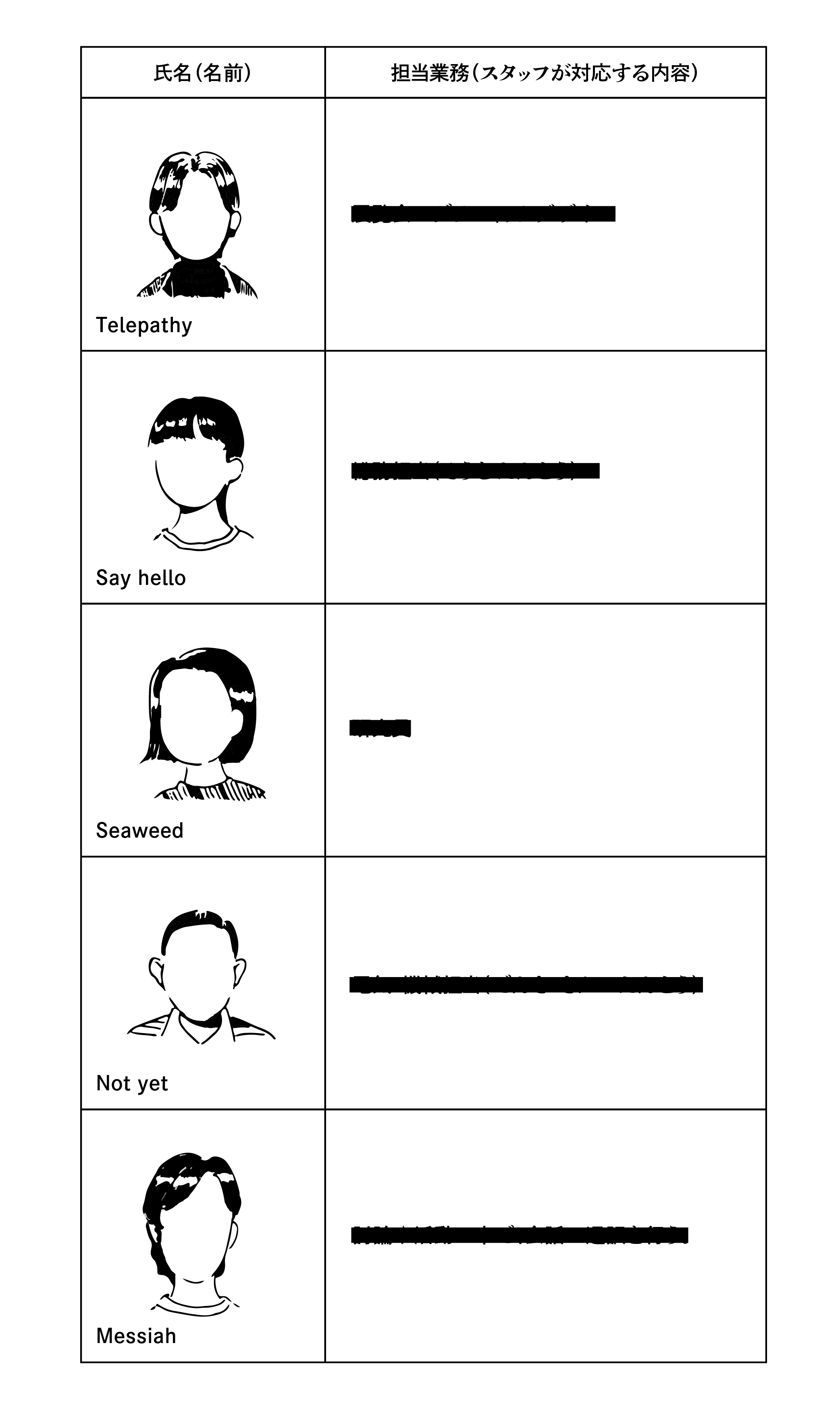
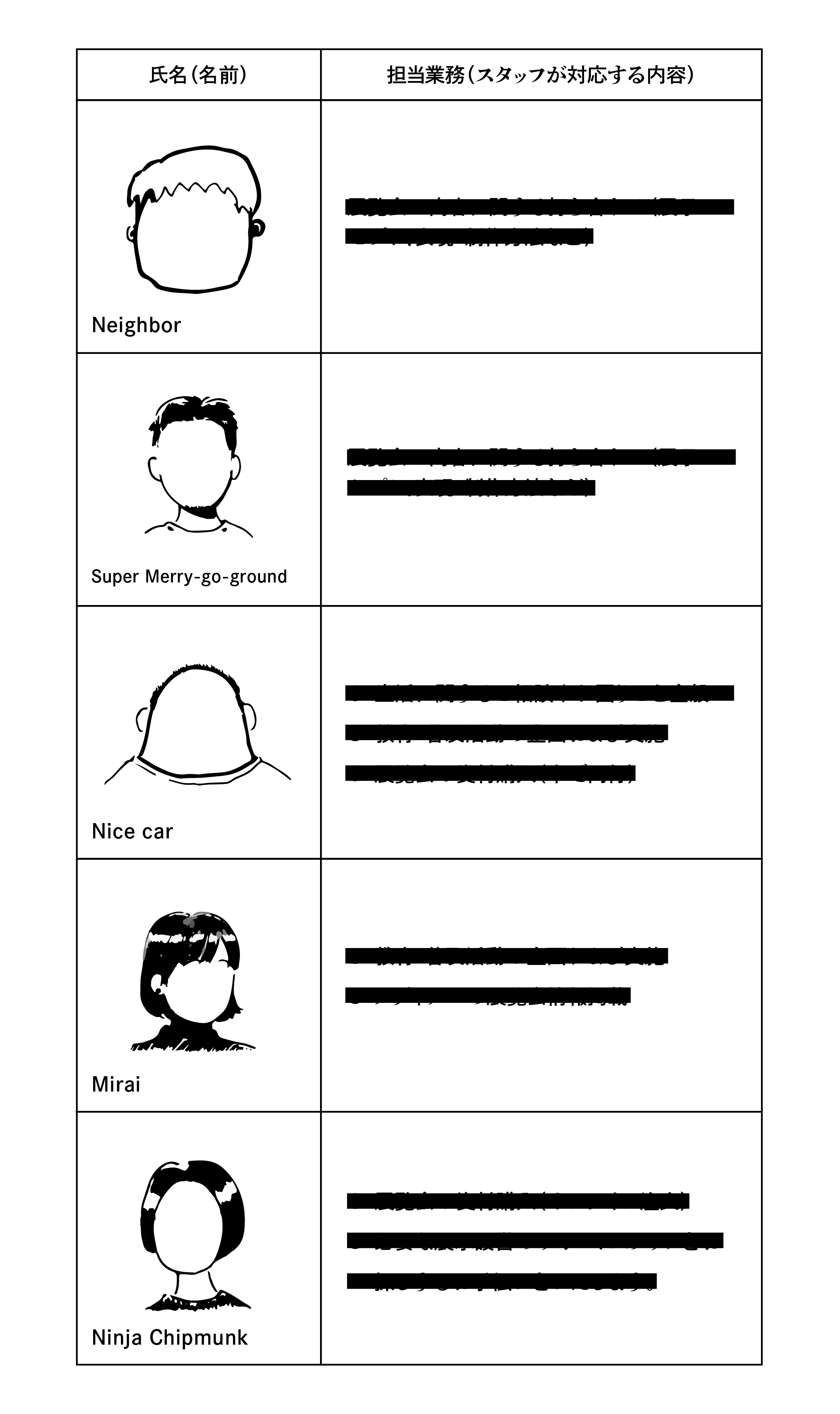
*The current members (bulbs) of Act Unionem are staff and artists of Kaito Museum of Art.
"Onion Movement"
1.The onion observes one of its own scale leaves (referred to as scale leaf a).

2.Others touch the front and back of scale leaf a.
(Whether it is truly the same leaf (a) is irrelevant—please imagine the sensation being touched.)

3.Everyone observes scale leaf a together.

After the action ends, the onion is disassembled and buried in the ground.

→ Then, move on to another onion and repeat.
*The cataphylls dealt with here—whether inner or outer—are not judged by superiority or inferiority. All cataphylls are meaningful as components of the onion. Even “social configurations” are but a fragment of cataphyll.

*The cataphylls discussed here can be layered inward or outward. Both outward-expanding and inward-growing spaces possess margins comparable to the current limit of cosmic expansion. The curvature of a cataphyll can bend either left or right, depending on the intended direction of layering. An inward-proliferating cataphyll may eventually intersect with one growing from the outside. In such cases, a space is formed between the overlaps. This space becomes a contour (a point of observation), from which a new bulb can form.

*The distance between the observer and the cataphyll should be close enough for bodily contact. Observation is tactile.

*The specific content of actions is concealed from anyone not a member (bulb) of Act unionem. As the actions are not performed for display, non-members cannot witness them. They are not recorded or exhibited through video or photography. The result of Act unionem is not an artwork. However, the system devised to conceal these actions will be made public.

*The current members (bulbs) of Act Unionem are staff and artists of Kaito Museum of Art.
Drawing by Ninja Chipmunk
In short, I believe it is necessary for us to confront the “premise” referred to as the “trauma of the artist.” Most people who become “artists” originally only longed to engage in artistic activities. Yet, they are often lured—regardless of their true intentions—by the illusion that they must first be placed upon a pedestal labeled “artist” in order to act. They are turned into beings to be consumed. It’s as if only by standing on that pedestal can one function in society as someone who engages in art.

It may sound strange, but artists are beings who carry trauma toward the future. It’s common for them to move through life while unconsciously manipulated by imagined frameworks (alienation), or even manipulating others under the same spell. Choosing from among all possible options laid out before us—or perhaps only sensing their breath from afar, or imagining them beyond some vague mountain—is entirely different from being forced to choose when those options are deliberately obscured. Though both may be called “choices,” the processes are fundamentally different.

The act of revealing the existence of options—even when noticed in the past, present, or future—can add a structural layer to one’s inner being. This is a function that art can perform. Even if past choices cannot be changed, it is possible to re-excavate and rediscover the options that once existed. My exhibition is a process of re-examining the many choices within the world, and layering the dimensions that emerge from revealing new ones.

An exhibition that merely buries those options holds no interest. It is through the repeated act of burial and excavation that we will journey back and forth between the natural and unnatural aspects of this ruin. (Let’s not forget: what is seen as “natural” under one premise may be deemed “unnatural” under another.) Between these, we observe closely, stubbornly searching for those undulations—after all, the human organs themselves are not smooth.

In this phase (this movement), the exhibition titled Act Unionem will take “the artist’s trauma” as its point of departure. Within the interwoven layers of “premise” and “non-premise,” it will unfold as a collaborative research and action project with the staff of the museum. I imagine that much of this will remain entirely hidden and not subsumed into the “exhibition” proper.

This is not a ritual for the sake of ritual, nor is it a form of looting done under the guise of ritual. It is an earnest attempt to explore the fundamental meaning of why rituals were needed in the first place. Along the way, I suspect that a “demon” will be summoned—one that whispers: “Is this a shaman for the sake of the ritual? Or a ritual for the sake of the shaman? If everyone could finely sense the supernatural without the need for ritual, then the shaman as an alien being would have fulfilled its role—and lost its premise, wouldn’t it?”

The demon, too, will be unearthed from those gradually slumbering rituals, kneaded and reshaped, in an attempt to weave new ritual entanglements. It is a sadomasochist of lamentation and ecstasy, eroded through the friction between two contradictory states of nature and unnaturalness. Hidden on one face, exposed on another.

During this time, I will work at the desk, and act beneath it.—Taro Izumi
In short, I believe it is necessary for us to confront the “premise” referred to as the “trauma of the artist.” Most people who become “artists” originally only longed to engage in artistic activities. Yet, they are often lured—regardless of their true intentions—by the illusion that they must first be placed upon a pedestal labeled “artist” in order to act. They are turned into beings to be consumed. It’s as if only by standing on that pedestal can one function in society as someone who engages in art.

It may sound strange, but artists are beings who carry trauma toward the future. It’s common for them to move through life while unconsciously manipulated by imagined frameworks (alienation), or even manipulating others under the same spell. Choosing from among all possible options laid out before us—or perhaps only sensing their breath from afar, or imagining them beyond some vague mountain—is entirely different from being forced to choose when those options are deliberately obscured. Though both may be called “choices,” the processes are fundamentally different.

The act of revealing the existence of options—even when noticed in the past, present, or future—can add a structural layer to one’s inner being. This is a function that art can perform. Even if past choices cannot be changed, it is possible to re-excavate and rediscover the options that once existed. My exhibition is a process of re-examining the many choices within the world, and layering the dimensions that emerge from revealing new ones.

An exhibition that merely buries those options holds no interest. It is through the repeated act of burial and excavation that we will journey back and forth between the natural and unnatural aspects of this ruin. (Let’s not forget: what is seen as “natural” under one premise may be deemed “unnatural” under another.) Between these, we observe closely, stubbornly searching for those undulations—after all, the human organs themselves are not smooth.

In this phase (this movement), the exhibition titled Act Unionem will take “the artist’s trauma” as its point of departure. Within the interwoven layers of “premise” and “non-premise,” it will unfold as a collaborative research and action project with the staff of the museum. I imagine that much of this will remain entirely hidden and not subsumed into the “exhibition” proper.

This is not a ritual for the sake of ritual, nor is it a form of looting done under the guise of ritual. It is an earnest attempt to explore the fundamental meaning of why rituals were needed in the first place. Along the way, I suspect that a “demon” will be summoned—one that whispers: “Is this a shaman for the sake of the ritual? Or a ritual for the sake of the shaman? If everyone could finely sense the supernatural without the need for ritual, then the shaman as an alien being would have fulfilled its role—and lost its premise, wouldn’t it?”

The demon, too, will be unearthed from those gradually slumbering rituals, kneaded and reshaped, in an attempt to weave new ritual entanglements. It is a sadomasochist of lamentation and ecstasy, eroded through the friction between two contradictory states of nature and unnaturalness. Hidden on one face, exposed on another.

During this time, I will work at the desk, and act beneath it.—Taro Izumi
Conceptual Image: Liberation of the Bulb (On #p, #a, and the Freedom of Overlapping Directions in the Layer Beyond the Luminous Wall with Depth—65% × 4 + 43% × 1 + 32% × 1—or a Blackboard on the Play of Misalignment)
2025 © Taro Izumi
Conceptual Image: Liberation of the Bulb (On #p, #a, and the Freedom of Overlapping Directions in the Layer Beyond the Luminous Wall with Depth—65% × 4 + 43% × 1 + 32% × 1—or a Blackboard on the Play of Misalignment)
2025 © Taro Izumi
"Activation Period"

In this initial phase, titled "Act unionem" (the "Onion Movement"), museum staff are invited to explore the state of "simply existing." This begins with examining the "social settings" that shape the self, reflecting on the boundaries and dynamics of what we call "settings"—what lies inside and outside. Within the museum, a space where simply existing is usually not permitted, the staff act like observers of an onion’s key part—the scale leaves—studying the possibility of spaces that allow for the state of mere presence.
"Activation Period"

In this initial phase, titled "Act unionem" (the "Onion Movement"), museum staff are invited to explore the state of "simply existing." This begins with examining the "social settings" that shape the self, reflecting on the boundaries and dynamics of what we call "settings"—what lies inside and outside. Within the museum, a space where simply existing is usually not permitted, the staff act like observers of an onion’s key part—the scale leaves—studying the possibility of spaces that allow for the state of mere presence.
"Burial Period"
During this phase, the "interior" of the exhibition—including the reflections of museum staff who experienced Act unionem—will be buried. As time and the environment shift subtly, the work quietly awaits rediscovery and rebirth in the third phase.
"Burial Period"
During this phase, the "interior" of the exhibition—including the reflections of museum staff who experienced Act unionem—will be buried. As time and the environment shift subtly, the work quietly awaits rediscovery and rebirth in the third phase.
"Revelation Period"
In the final phase, the exhibition is reborn—emerging from the context of Guandu Museum’s surroundings, institutional rules, and customs—via a method inspired by Japanese tombs (kofun), their natural environs, and cultural taboos. Much like the forested burial mounds in fantastical tales where human presence is excluded and vegetation thrives, this phase imagines the museum liberated from human control. A protest and occupation unfolds, led by an “empty collective” formed from individual voids.

"Revelation Period"
In the final phase, the exhibition is reborn—emerging from the context of Guandu Museum’s surroundings, institutional rules, and customs—via a method inspired by Japanese tombs (kofun), their natural environs, and cultural taboos. Much like the forested burial mounds in fantastical tales where human presence is excluded and vegetation thrives, this phase imagines the museum liberated from human control. A protest and occupation unfolds, led by an “empty collective” formed from individual voids.

About the Artist
【Bulb】

(a)Taro Izumi

(b)Born in Nara Prefecture.
In 2017, at the Palais de Tokyo in Paris (h), he will be performing and architectural sculpture (d). In 2020, at the Tinguely Museum in Basel, Switzerland (h), he will be trying to become an internal organ (f). In 2023, at the Tokyo Opera City Art Gallery (h), he will be imagining a perpetual motion machine (g). From June 2025 to January 2027, at the Kuandu Museum of Fine Arts (Taipei), he will be imagining (a) long-term (h) replacement (d) and (g) experimental acts (e) that persistently repeat (g) wall-hitting (e) on the (d) internal organs (e) of mediatized (c) humans (h) from ancient times to the present that can be (d) "configured" (e).
【Cataphyll】

(a)Taro Izumi

(b)orn in Nara Prefecture. Based in Nara and Tokyo.

(c)An experimental act that dissects taboos, customs, and alienation across civilizations from ancient to modern times, and reassembles them by incorporating their once-transparent functions in a given context—transforming them into overwhelming Others.

(d)Research and creation focused on the forms of discrepancy, contradiction, and friction that arise in the process of returning the functions of tools—once used to mediate, extend, or substitute the human body—back to the raw, physical body.

(e)Engagement with the trauma of the artist and of those who may be “configured” as such (including trauma already embedded within the future). Exploring both a world without “artists” and one where “artists” continue to exist. Act Unionem serves as one example.

(f)Striving to become the internal organs of every occasion.

(g)Observing the various conditions possessed by both human and non-human entities, living and non-living things, perceivable and imperceptible subjects, and envisioning the uneven textures embedded within them. Through persistently “bouncing off the wall,” the practice aims to establish a perpetual mechanism of confronting and misaligning with the Other.

(h)Held the solo exhibition Pan at Palais de Tokyo (Paris) in 2017, ex at the Tinguely Museum (Basel) in 2020, and Sit, Down. Sit Down Please, Sphinx. at Tokyo Opera City Art Gallery in 2023. Participated in Media City Seoul and Yokohama Triennale. In Japan, works have been exhibited at The National Museum of Modern Art, Tokyo; The National Museum of Art, Osaka; Museum of Contemporary Art Tokyo; 21st Century Museum of Contemporary Art, Kanazawa; Toyota Municipal Museum of Art; and Mori Art Museum.From June 2025 to January 2027, a long-term experimental and performative project will be carried out at the Kuandu Museum of Fine Arts (Taipei), extending beyond the conventional framework of an exhibition.
About the Artist
【Bulb】

(a)Taro Izumi

(b)Born in Nara Prefecture.
In 2017, at the Palais de Tokyo in Paris (h), he will be performing and architectural sculpture (d). In 2020, at the Tinguely Museum in Basel, Switzerland (h), he will be trying to become an internal organ (f). In 2023, at the Tokyo Opera City Art Gallery (h), he will be imagining a perpetual motion machine (g). From June 2025 to January 2027, at the Kuandu Museum of Fine Arts (Taipei), he will be imagining (a) long-term (h) replacement (d) and (g) experimental acts (e) that persistently repeat (g) wall-hitting (e) on the (d) internal organs (e) of mediatized (c) humans (h) from ancient times to the present that can be (d) "configured" (e).
【Cataphyll】

(a)Taro Izumi

(b)orn in Nara Prefecture. Based in Nara and Tokyo.

(c)An experimental act that dissects taboos, customs, and alienation across civilizations from ancient to modern times, and reassembles them by incorporating their once-transparent functions in a given context—transforming them into overwhelming Others.

(d)Research and creation focused on the forms of discrepancy, contradiction, and friction that arise in the process of returning the functions of tools—once used to mediate, extend, or substitute the human body—back to the raw, physical body.

(e)Engagement with the trauma of the artist and of those who may be “configured” as such (including trauma already embedded within the future). Exploring both a world without “artists” and one where “artists” continue to exist. Act Unionem serves as one example.

(f)Striving to become the internal organs of every occasion.

(g)Observing the various conditions possessed by both human and non-human entities, living and non-living things, perceivable and imperceptible subjects, and envisioning the uneven textures embedded within them. Through persistently “bouncing off the wall,” the practice aims to establish a perpetual mechanism of confronting and misaligning with the Other.

(h)Held the solo exhibition Pan at Palais de Tokyo (Paris) in 2017, ex at the Tinguely Museum (Basel) in 2020, and Sit, Down. Sit Down Please, Sphinx. at Tokyo Opera City Art Gallery in 2023. Participated in Media City Seoul and Yokohama Triennale. In Japan, works have been exhibited at The National Museum of Modern Art, Tokyo; The National Museum of Art, Osaka; Museum of Contemporary Art Tokyo; 21st Century Museum of Contemporary Art, Kanazawa; Toyota Municipal Museum of Art; and Mori Art Museum.From June 2025 to January 2027, a long-term experimental and performative project will be carried out at the Kuandu Museum of Fine Arts (Taipei), extending beyond the conventional framework of an exhibition.
【Cataphyll】
Wetlands (Nancy Holt & Robert Smithson)/ Democritus/Alienation (as philosophical and economic term)/Colony Drop (Mobile Suit Gundam: Char’s Counterattack)/Katsuya Kobayashi (Radio DJ)/Otěsanek/White Squall/The Raft of the Medusa/Poseidon/Titanic/airport quarantine/prohibited items (fresh produce)/map symbols for vacant land/Happy Valley set/gallstones/Emperor Jimmu’s mausoleum/Right to Sit/modernology/patriarchy/onion/scale leaf/Rubin’s vase/Meredith Monk/Barometz/Fern and more.
【Cataphyll】
Wetlands (Nancy Holt & Robert Smithson)/ Democritus/Alienation (as philosophical and economic term)/Colony Drop (Mobile Suit Gundam: Char’s Counterattack)/Katsuya Kobayashi (Radio DJ)/Otěsanek/White Squall/The Raft of the Medusa/Poseidon/Titanic/airport quarantine/prohibited items (fresh produce)/map symbols for vacant land/Happy Valley set/gallstones/Emperor Jimmu’s mausoleum/Right to Sit/modernology/patriarchy/onion/scale leaf/Rubin’s vase/Meredith Monk/Barometz/Fern and more.